News
Japan's FSA to require crypto exchanges to hold liability reserves for hacks
Bottom line: a buffer for the next exchange hack
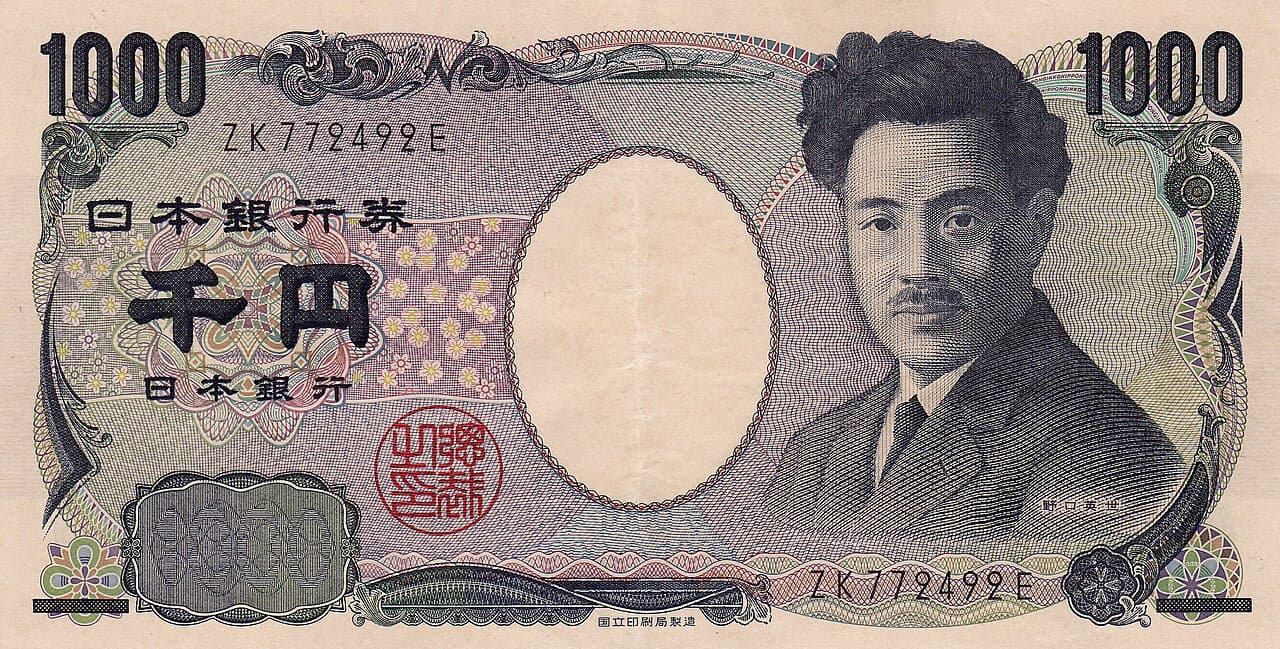
Per reporting (Nikkei), Japan's FSA plans to require licensed crypto exchanges to hold liability reserves against losses from hacks or operational failure — modeled on securities firms' reserves. The backdrop is real: the May 2024 DMM Bitcoin hack (~$305M).
Key points
- Exchanges would be required to hold reserves against hacks (as reported).
- Modeled on securities-firm reserve requirements.
- Legislation aimed at the 2026 Diet — a consumer-protection step.
Why it matters
Exchanges custody many users' assets, so one security incident can be large. Pairing a reserve mandate with your own protections — strong 2FA and a hardware wallet — is the prudent combination.
Reported, not final
Reserve sizing and method aren't finalized. Confirm with the FSA.
FAQ
Q. Does this make exchanges 100% safe? A. No — it strengthens protection; self-custody hygiene still matters.
Q. When? A. Legislation is aimed at the 2026 Diet (not confirmed).
Sources
- Japan to mandate liability reserves for crypto exchanges (CoinGeek, citing Nikkei, 2025-11-24)
- Financial Services Agency (FSA)
Not financial advice
This reflects publicly reported information as of June 2026 and is not investment advice. Rules, company moves and prices can change — confirm the latest with official sources.
This article is informational only and is not financial, investment, or trading advice. Prices are reference snapshots and may be outdated. Always do your own research.