The XRP Ledger upgraded to v3.2.0 on June 15, 2026, renaming its reference server from rippled to xrpld. A companion fixCleanup3_2_0 amendment patches precision/validation bugs in Vaults, the Lending Protocol, permissioned DEX and MPTs. As of July 8, 89% of validators had upgraded (above the 80% threshold) but the amendment vote lagged behind.
US spot BTC ETFs saw ~$4.4B of net outflows over 13 trading days from mid-May through early June 2026 (among the largest since the 2024 launch), ending June 4, 2026. A separate 10-day, ~$2.73B outflow streak reportedly ended in early July 2026 (around July 2–3) with a $221.7M inflow day, and flows stayed net positive into the following days as BTC recovered toward $62,000 amid cooling Fed rate-hike expectations. A brief ~$510M, 3-day inflow streak (July 6-8) then reversed: -$84.9M on July 8 and -$95.3M on July 9, 2026 (BTC+ETH funds combined -$147.5M that day), with BTC trading above $63,000. Two straight positive weeks followed (+$197M w/e Jul 10, ending an 8-week outflow streak; +$75.7M w/e Jul 17), but June's full-month total (~$4.1-4.5B net outflows) still leaves 2026 YTD flows negative by roughly $5.2-5.4B through mid-July. A 7-day, ~$1B inflow streak (through July 22) broke on July 23 with a -$225M outflow day (IBIT -$202.5M), but the week still closed net positive (+$274M); one tracker put 2026 YTD outflows at roughly $4.84B as of July 21.
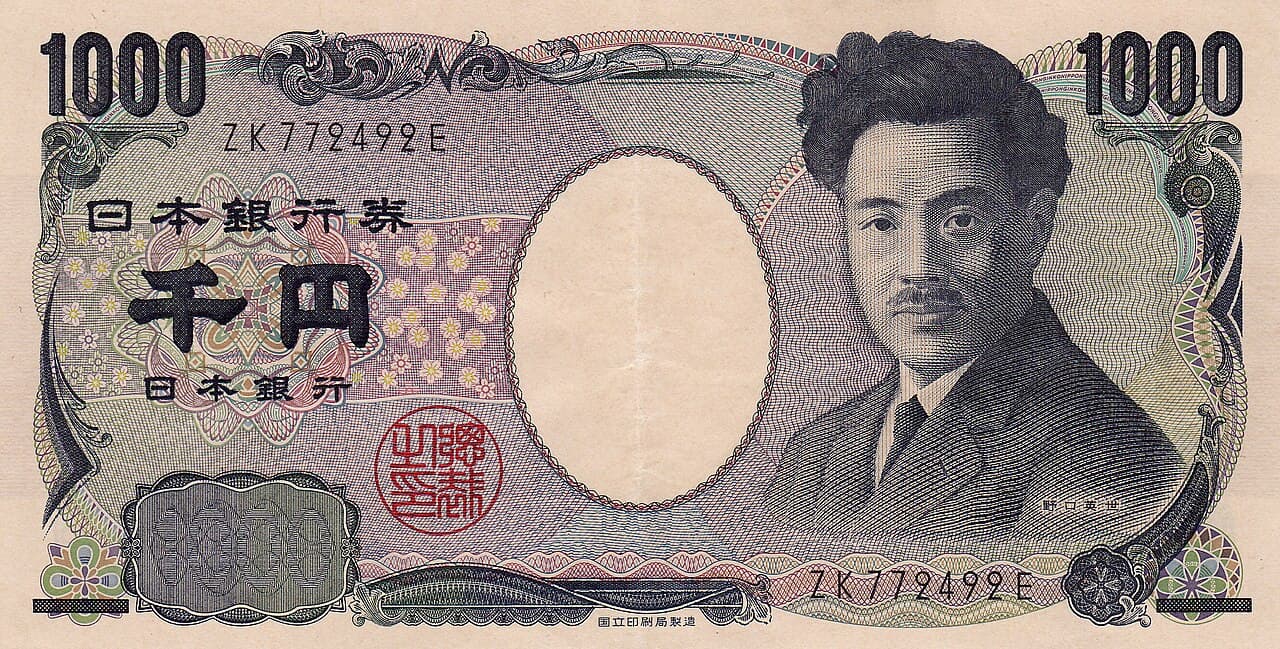
Japan now has two live yen stablecoins — JPYC (Type II fund-transfer, since October 2025) and JPYSC (Type III trust-backed, since June 24, 2026) — plus a joint MUFG/Mizuho/SMBC megabank project reportedly targeting live transactions by March 2027. JPYC targets retail payments with a roughly ¥1M/day issuance-redemption cap per user; JPYSC has no transaction cap and targets institutional/B2B use.
JPYC, Japan's first FSA-regulated yen stablecoin, launched in October 2025. Through 2026 its circulation grew, JPYC Inc. raised more in Series B, Unifi added support, and SBI × Startale's JPYSC got underway. Figures are approximate.
As reported, SBI issued a ~¥10B on-chain bond in Feb 2026 with XRP rewards for qualifying retail buyers — a bridge between traditional bonds and blockchain.
As reported, Metaplanet raised ~$50M in zero-interest bonds on 2026-04-24 to buy more Bitcoin; holdings topped 40,000 BTC. Buying with debt carries real downside risk.
Bottom line: As reported, in March 2026 Japanese exchange bitFlyer's 24-hour volume surged ~200%, outpacing Coinbase and Binance, as Japanese traders rotated into Bitcoin during an equity selloff.
Bottom line: As reported, in March 2026 SBI VC Trade launched regulated lending of the USD stablecoin USDC, with a high intro yield that is capped and time-limited; standard rates are lower. Lending is not principal-guaranteed.
Bottom line: As reported, JPYC — Japan's regulated yen stablecoin — became usable in LINE NEXT's Web3 wallet 'Unifi,' bringing a yen stablecoin to LINE's large user base.
Bottom line: As reported, if Japan's reclassification of crypto as a financial instrument takes effect in FY2027, first spot crypto ETF approvals could come as early as FY2028. Market-size estimates vary and are not fixed.
Bottom line: As reported in May 2026, SBI presented plans for spot Bitcoin and XRP ETFs and a 'digital gold' trust for a Tokyo Stock Exchange listing. It depends on FSA approval; no listing date was given.
Bottom line: As reported, Japan's FSA plans to require licensed crypto exchanges to hold liability reserves against hacks and operational failures, following the 2024 DMM Bitcoin hack, with legislation aimed at the 2026 Diet.
Bottom line: As reported, Japan's bill to treat crypto as a financial instrument cleared the Lower House on 2026-06-11 and moved to the Upper House, adding insider-trading rules and issuer disclosure.
Bottom line: In March 2026 the Bank of Japan announced a sandbox testing settlement in central-bank money on a blockchain, as it weighs whether to issue a retail digital yen this year. No decision has been made.
Bottom line: On 2026-06-10 MUFG, SMBC and Mizuho signed a memorandum toward a jointly issued yen stablecoin, reportedly using a trust structure on shared infrastructure, targeting live use within FY2026.
Bottom line: Japan's 2026 tax-reform blueprint proposes replacing progressive rates up to ~55% with a flat 20% separate tax on crypto gains — but, as reported, only for 'specified crypto assets' handled by registered businesses.
Bottom line: In April 2026 Japan's Cabinet approved a bill moving crypto oversight from the Payment Services Act to the Financial Instruments and Exchange Act (FIEA), reportedly covering ~105 tokens — a foundation for spot crypto ETFs and a flat 20% tax.
Bottom line: SBI VC Trade began distributing Ripple's US-dollar stablecoin RLUSD in Japan on March 31, 2026 — a concrete example of a foreign-issued stablecoin being handled under Japan's revised Payment Services Act.
Bottom line: JPYC, Japan's first regulated yen stablecoin, passed 2.5 billion yen in cumulative issuance and about 18,000 accounts by May 2026, and closed a Series B of roughly 4.6 billion yen — circulating as 'money in motion.'
Bottom line: The total market cap of dollar-pegged stablecoins reached a record above $320 billion in 2026 — even as the broader crypto market dropped — underscoring demand for them as payment rails and a parking spot.