
Guide
Can You Start Crypto With a Small Amount in Japan? (Beginner Guide)
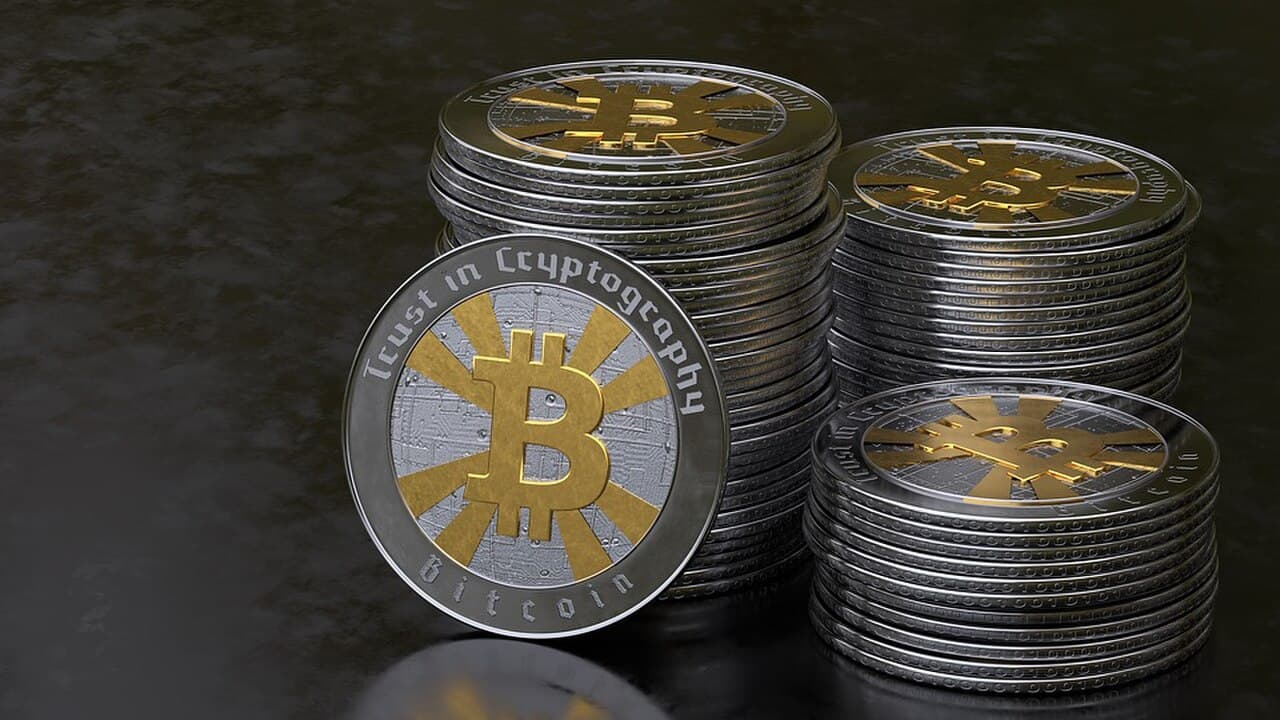
Bottom line: yes — start from a few hundred yen, with spare money
If big numbers feel intimidating, good instinct. The honest answer is that on FSA-registered exchanges in Japan you can buy crypto from just a few hundred yen (some let you start from the equivalent of ¥1). The smart way in is to use money you can afford to lose, buy a single coin in a tiny amount, and learn the buy / send / store mechanics first.
For the full picture — regulation, exchanges, buying and tax — start with how to buy crypto in Japan; then use this article for the "start small" specifics.
Key points
- Japanese registered exchanges let you buy from a few hundred yen (some from ~¥1). You don't need to buy a whole bitcoin — fractions are fine.
- The precondition is spare money — not rent, not money you'll need soon. Even a small stake can lose value.
- Prefer dollar-cost averaging over one big buy — it eases the emotional load of volatility.
- Small size does not remove the risk of wrong-address sends or scams. Learn the safety basics on day one.
Why "start small" suits beginners
Crypto is a highly volatile asset. Starting small has three benefits:
- Cheap tuition. A mistake or a dip costs little.
- You learn by doing. Moving a small amount teaches more than any article.
- You stay calm. Smaller stakes are easier to hold without panic.
How little can you buy?
On Japanese registered exchanges you can typically buy from a few hundred yen — and some from the equivalent of about ¥1. Minimums, fees and listed coins differ by exchange, so always confirm on the exchange's own page. (This site recommends no specific exchange.)
| Approach | Good for | Note |
|---|---|---|
| Buy ¥1,000 once | Trying the mechanics | A small "learning" purchase |
| Buy a little monthly | Building a habit | Dollar-cost averaging spreads your timing |
Four steps to start small
- Pick a registered exchange. Only use ones registered with the
FSA; see Japanese crypto exchanges.
- Open an account and complete KYC. Identity verification is required by law.
- Deposit a small amount and buy one coin. Start around ¥1,000; then consider DCA.
- Store it safely. As your holdings grow, learn about crypto wallets.
Don't get careless just because it's small
"It's only a little" is exactly when people send to the wrong address or fall for a fake site. Before you start, read the scam checklist. If you make a profit, learn the basics of crypto tax in Japan.
FAQ
Q. Can I make money with ¥1,000? A. If the price rises, yes — but early on, treat it as learning the mechanics, not as a way to profit. Prices can fall too.
Q. Do I owe tax on small gains? A. Gains are generally taxable. See crypto tax in Japan for the basics.
Q. Which coin should I buy? A. We don't recommend specific coins. Many beginners start with a major, well-documented coin to learn — but do your own research.
Sources
- FSA — list of registered crypto-asset exchange service providers: https://www.fsa.go.jp/menkyo/menkyoj/kasoutuka.pdf
- FSA (English): https://www.fsa.go.jp/en/
- Per-exchange minimums: check the exchange's official pages (e.g. bitFlyer / Coincheck), as of June 2026
A note before you invest
This article is educational information, not financial advice. Crypto is highly volatile and you can lose money — starting small reduces the amount at risk, not the risk itself. Information is current as of June 2026. In Japan, only use exchanges registered with the FSA, invest only money you can afford to lose, and make your own decisions.
This article is informational only and is not financial, investment, or trading advice. Prices are reference snapshots and may be outdated. Always do your own research.


