Bitcoin vs Ethereum: The Two Giants, Compared Simply
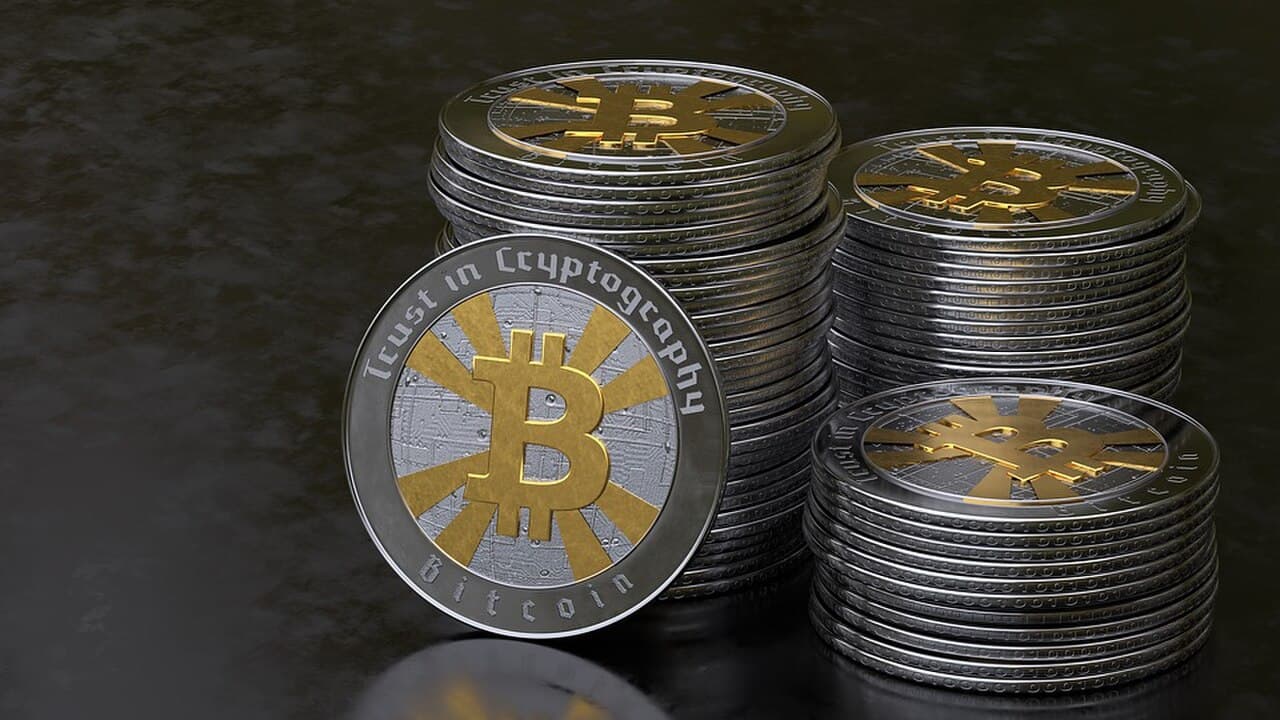
Bottom line: Bitcoin aims to be a store of value ('digital gold'); Ethereum aims to be a platform that runs apps ('the world computer'). They have different goals — not better or worse.
Bottom line: a CBDC is a digital version of a country's official money, issued by its central bank. It is very different from volatile crypto or privately-issued stablecoins. Japan is studying a 'digital yen'.
Bottom line: tokenomics is the economic design of a token — its supply, distribution, utility and incentives. It often matters more than the price chart for judging whether a project can last.
Bottom line: restaking lets you reuse already-staked ETH to also help secure other services, aiming for extra rewards. It drew big attention from 2024 — but the risks stack up too.
Bottom line: yield farming is the general term for putting crypto to work in DeFi to earn a return — through lending, providing liquidity, and more. Yields can be high, but so are the risks.
Bottom line: impermanent loss (IL) is the hidden cost of providing liquidity in DeFi — when the price of your deposited assets moves, you can end up with less value than if you'd just held them.
Bottom line: Japan has taken an increasingly pro-Web3 stance, seeing blockchain, NFTs and tokens as part of its growth and content strategy.
Bottom line: exchanges serving Japan must be FSA-registered and follow strict rules on customer-asset protection — generally making them a safer on-ramp.
Bottom line: staking means locking crypto to help secure a Proof-of-Stake network and earn rewards. It's a bit like interest — but with lock-ups and slashing risk.
Bottom line: a stablecoin is a crypto asset pegged to a currency like the US dollar. Useful for transfers and as a 'safe harbor' — but the peg can break.
Bottom line: an NFT proves who owns a unique digital item on the blockchain. It doesn't stop copying — it records authentic ownership and history.
Bottom line: DeFi recreates financial services — trading, lending, saving — using smart contracts instead of banks. Powerful, but the risks are yours to manage.
Bottom line: Ethereum is a blockchain you can run programs on. If Bitcoin is digital gold, Ethereum is the foundation for decentralized apps. Its currency is ETH.
Bottom line: Bitcoin is the first cryptocurrency, created in 2008. With a fixed supply of 21 million, it's often called 'digital gold' and is best known as a store of value.
Bottom line: in Japan, crypto gains are generally treated as 'miscellaneous income' and taxed. Always confirm details with the National Tax Agency or a professional.
Bottom line: most crypto scams share warning signs — guaranteed returns, urgency, asking for your keys. If even one appears, stop and verify.
Bottom line: your security is your keys. Never share your seed phrase, store it offline, beware of phishing — and consider a hardware wallet for larger holdings.
Bottom line: a wallet stores the keys that control your crypto. Hot wallets are convenient for daily use; cold wallets are safer for larger, long-term holdings.
Bottom line: a blockchain is a shared ledger that everyone keeps a copy of, making records practically impossible to alter — even without a central administrator.
Bottom line: cryptocurrency is digital money and assets managed on a blockchain, without a central bank or company in control. It can be sent worldwide over the internet.