News
Wallet drainers are 2026's top retail threat — how one signature empties a wallet, and how to stop it
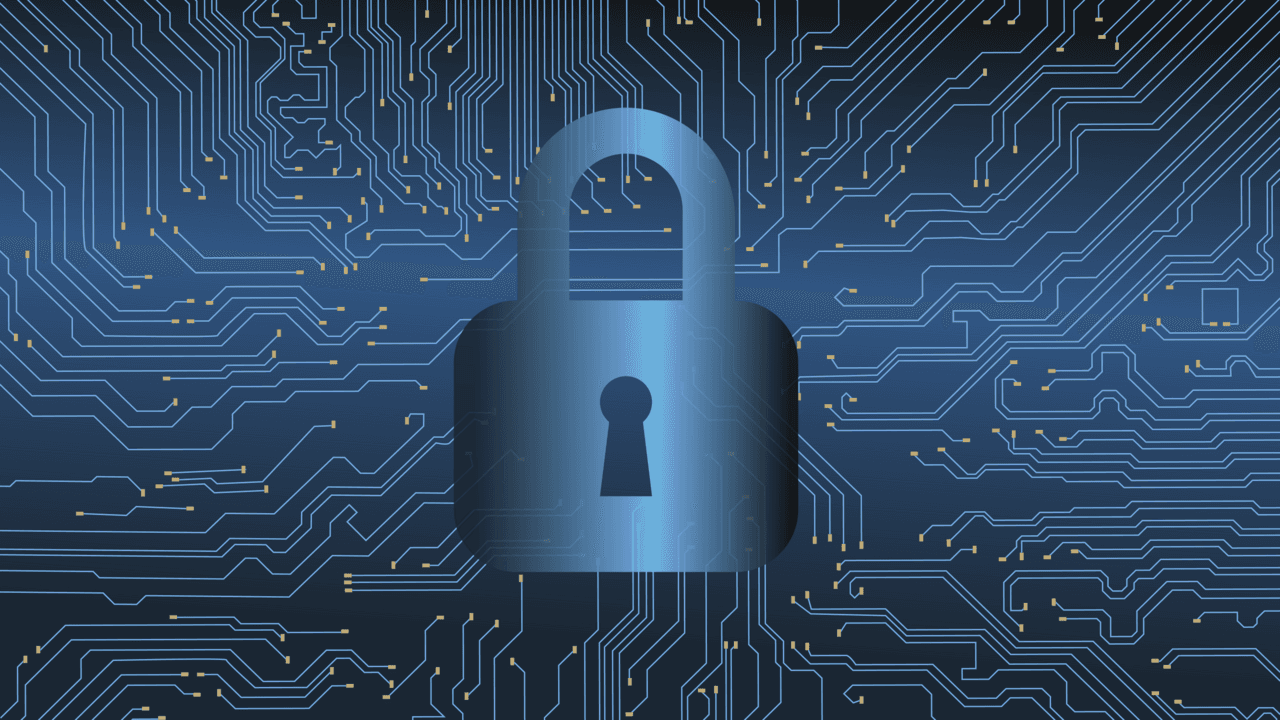
Bottom line: they don't steal your key — they get your signature
In 2026, the highest-volume attack on everyday crypto users is phishing, and the sharpest variant is the "wallet drainer." Reporting and security research describe coordinated campaigns in early 2026 using thousands of malicious addresses tied to drainer kits.
The key idea: a drainer does not steal your private key directly. It gets you to approve a token allowance or sign a malicious transaction on a fake dApp (decentralized app) — and the moment you click, your funds leave.
Key points
- The top threat is getting you to approve/sign, not stealing your key.
- Entry points: fake dApps, fake "support," fake airdrop-claim pages.
- Funds leave the instant you connect and sign — and it can't be undone.
- Defense: never approve what you don't recognize; read what you sign.
- Pair this with the scam red-flag checklist.

Why a "signature" can be dangerous
When you transact from a wallet, you "sign" the action. The catch: a signature can quietly mean "permission to move this token without limit," and the screen may not make that obvious. Attackers build pixel-perfect copies of NFT purchase or airdrop-claim pages and request a dangerous approval behind a harmless-looking click.
Once you grant the allowance, the attacker can pull the approved tokens without further action from you. Like any on-chain transfer, an executed transaction can't be reversed.
How to protect yourself
- Never approve the unfamiliar: be very suspicious of "approve," "permit," or "set approval for all" on sites you don't trust.
- Read what you sign: check the wallet's "what am I signing?" prompt. If you don't understand it, reject it.
- Separate your surfaces: keep a daily-use wallet apart from a long-term hardware wallet.
- Review existing allowances: token approvals can be revoked later — audit them periodically.
- Don't click links: avoid links from DMs, fake support, and "airdrop" pings. Reach sites from your own bookmarks.
FAQ
Q. Does a hardware wallet make me safe? A. It protects against key leakage, but if you sign a malicious approval yourself, funds can still move. Reading the signature still matters.
Q. What if I already approved something bad? A. Stay calm, revoke the token allowance, and move any safe assets to a fresh wallet. While funds remain, the same approval can be reused to drain again — act quickly.
Sources
- CCN, "Biggest DeFi Hacks and Exploits of 2026": https://www.ccn.com/education/crypto/defi-hacks-exploits-causes-crypto-stolen-2026/
- Coin98, "Common Attacks Targeting Crypto Wallet Users in 2026, and How They Work": https://coin98.com/blog/common-attacks-targeting-crypto-wallet-users-in-2026-and-how-they-work/
Not financial advice
This reflects publicly reported information as of June 2026 and is not investment advice. Rules and company moves can change — confirm the latest with official sources.
This article is informational only and is not financial, investment, or trading advice. Prices are reference snapshots and may be outdated. Always do your own research.