Guide
Bitcoin: A Short History and How It Works
🔗 Canonical coverage — the always-current, in-depth version of this topic lives on our dedicated desk: The history of Bitcoin (canonical timeline).
Bottom line: the original cryptocurrency
Bitcoin is the first and best-known cryptocurrency, introduced in a 2008 whitepaper by the pseudonymous "Satoshi Nakamoto". It runs on a blockchain with no central administrator.
Key takeaways
Bitcoin launched in 2009, has a fixed supply of 21 million coins, and halves its new issuance roughly every four years. It is mainly seen as a store of value ("digital gold").
A short timeline
- 2008 — Whitepaper published
- 2009 — The first block (genesis) is mined
- 2010 — First real-world purchase (the famous "pizza" transaction)
- 2024 — Spot ETFs approved in the US
Why people value it
- Fixed supply (21 million) creates scarcity
- Decentralized — no single controller
- Secure — backed by a large mining network (mining secures the chain)
Volatile
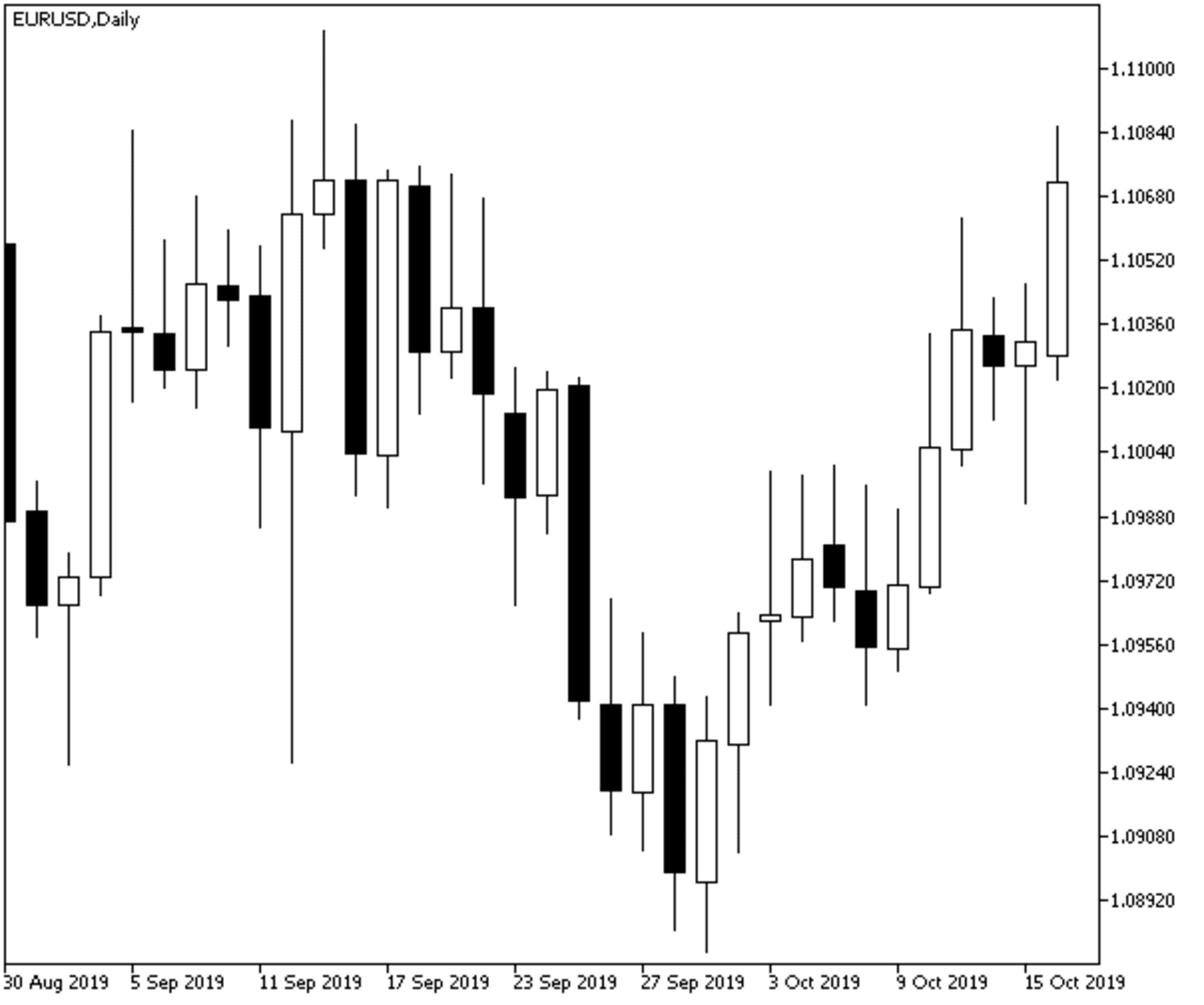
Bitcoin's price has swung dramatically. Past gains do not predict the future.
Sources
- Bitcoin whitepaper: https://bitcoin.org/bitcoin.pdf
Not financial advice
This article is for information only and is not investment advice. Crypto assets are volatile and carry risks including hacking. Do your own research and only use money you can afford to lose.
This article is informational only and is not financial, investment, or trading advice. Prices are reference snapshots and may be outdated. Always do your own research.