Guide
Smart Contract Risk: The Catch Behind 'The Code Is Correct'
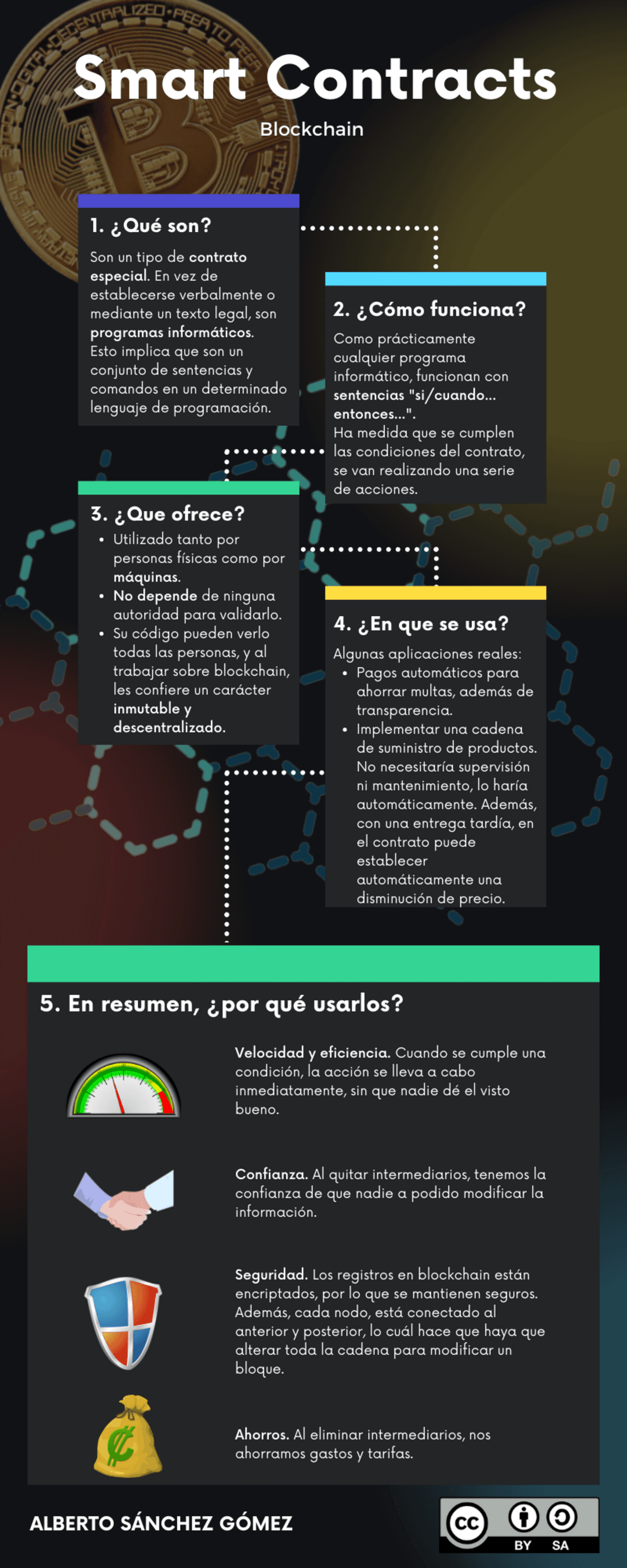
Bottom line: automatic execution means automatic mistakes
A smart contract executes automatically when conditions are met. The flip side: a bug or design flaw executes automatically too, and funds can be lost.
Key points
- A deployed contract is usually hard to stop afterwards
- Vulnerabilities can be exploited to drain funds (a "hack")
- "Audited" lowers risk but does not guarantee safety

Common risks
- Exploited vulnerabilities (e.g. reentrancy)
- Design mistakes in permissions or price feeds
- Abused upgrade/admin powers
Protecting yourself
Don't over-trust "audited"
Audits reduce risk, not eliminate it. Don't put large sums into new, unknown protocols, and understand the mechanics and risks of any DeFi yield first. For scam tactics, see the checklist.
Not financial advice
This article is for information only and is not investment advice. Crypto assets are volatile and carry risks including hacking. Do your own research and only use money you can afford to lose.
This article is informational only and is not financial, investment, or trading advice. Prices are reference snapshots and may be outdated. Always do your own research.