A smart contract audit is a scoped, point-in-time review of code at a specific commit — evidence that experts looked, not proof that the code is safe. Nomad ($190M, 2022), Euler ($197M, 2023), Cetus ($223M, 2025) and Balancer V2 ($128M, 2025) were all audited before being drained (DefiLlama, as of 2026-07-16), so the useful question is never "was it audited?" but "what was in scope, at which commit, and which findings were actually fixed and re-reviewed?"
Bottom line: The safe path is registered exchange → KYC → 2FA → buy small → self-custody when amounts grow. Stick to FSA-registered platforms, secure the account before you buy, start with money you can afford to lose, and keep records.
Bottom line: As reported, JPYC — Japan's regulated yen stablecoin — became usable in LINE NEXT's Web3 wallet 'Unifi,' bringing a yen stablecoin to LINE's large user base.
Bottom line: As reported, Japan's FSA plans to require licensed crypto exchanges to hold liability reserves against hacks and operational failures, following the 2024 DMM Bitcoin hack, with legislation aimed at the 2026 Diet.
Bottom line: In April 2026, about $292 million of rsETH was stolen from a cross-chain bridge used by KelpDAO (built on LayerZero). It was not a smart-contract bug — it came from a single-verifier setup and compromised off-chain infrastructure.
Bottom line: a bridge moves assets between blockchains, but it locks huge sums in one place — making it the single biggest hacking target. Several bridges have lost hundreds of millions. If you use one, keep it small and brief.
Bottom line: a block explorer (like Etherscan) is a free public viewer for every transaction on a blockchain. You can confirm whether a transfer arrived, what the fee was, and whether an address is real — without waiting on support.
Bottom line: an airdrop is when a project distributes free tokens to users, usually to reward early activity or bootstrap a community. Real airdrops exist, but 'claim your airdrop' is also one of the most common scam lures — never connect your wallet or sign to claim something you didn't expect.
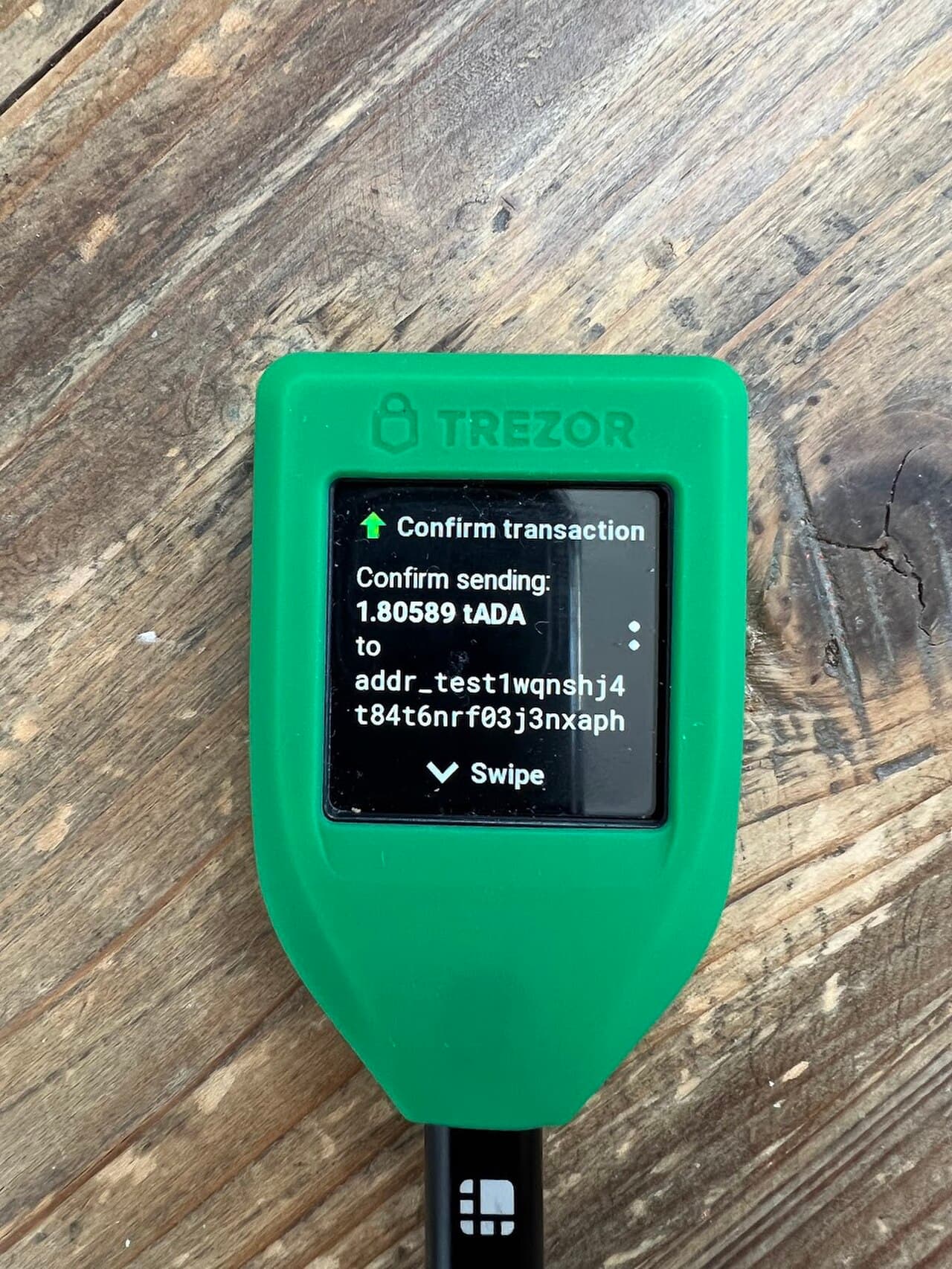
Bottom line: a hardware wallet is a small physical device that stores your private keys offline and signs transactions inside the device, so your keys never touch an internet-connected computer. It's the strongest everyday protection against remote theft — but it can't save you from approving a malicious transaction yourself.