Guide
DEX vs CEX: Decentralized vs Centralized Exchanges
Bottom line: company-run vs code-run
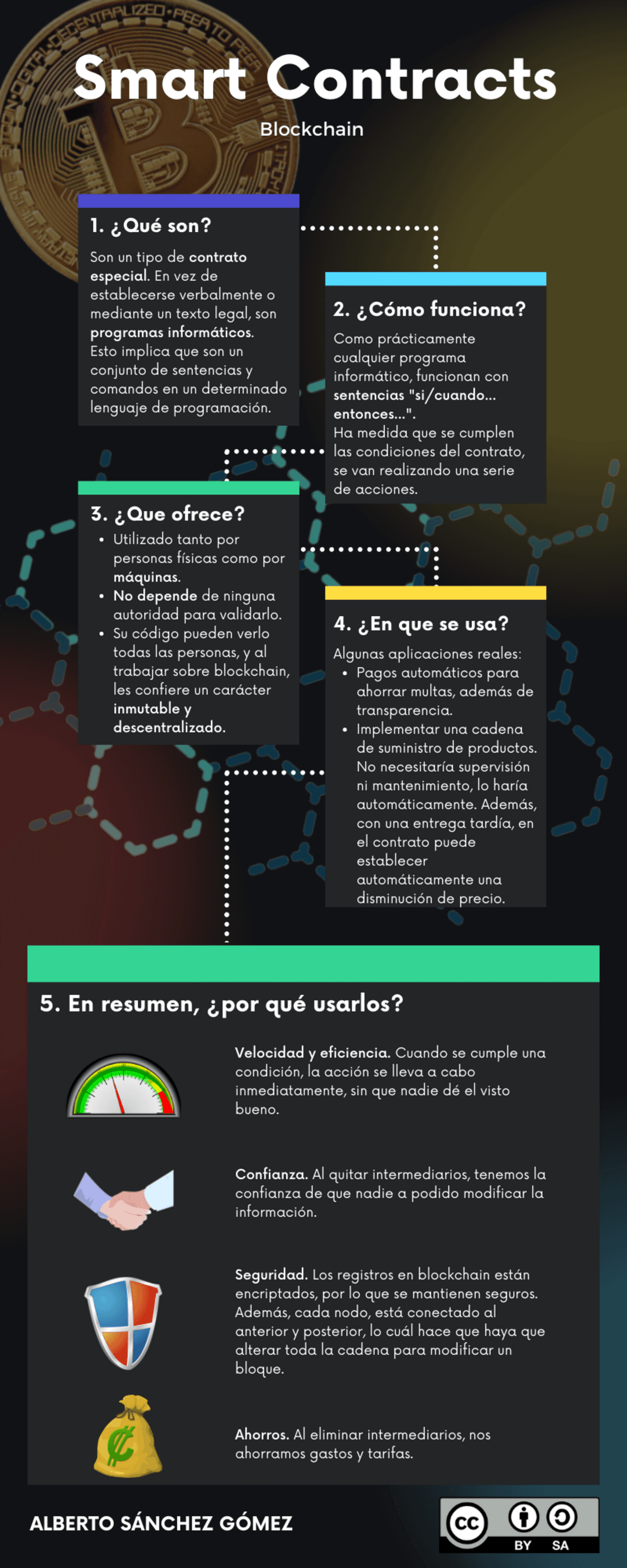
There are two kinds of crypto exchange. A CEX (centralized exchange) is run by a company. A DEX (decentralized exchange) runs on smart contracts, letting wallets trade directly.
Key takeaways
CEX = company-managed (easy, support, KYC). DEX = no middleman (free but self-custody and self-responsibility). Beginners usually start with a CEX.

Side by side
| Aspect | CEX | DEX |
|---|---|---|
| Operator | A company | Smart contracts |
| Who holds assets | The exchange | Your own wallet |
| KYC | Usually required | Often not |
| Support | Yes | Self-responsibility |
On a DEX, anyone can list a token
That includes worthless or malicious tokens. Be careful approving unknown tokens.
🔗 In practice: for a hands-on walkthrough of a leading Solana DEX, see How to use Raydium (Solana Station).
Sources
- Ethereum — DEXs: https://ethereum.org/en/defi/#dexs
Not financial advice
This article is for information only and is not investment advice. Crypto assets are volatile and carry risks including hacking. Do your own research and only use money you can afford to lose.
This article is informational only and is not financial, investment, or trading advice. Prices are reference snapshots and may be outdated. Always do your own research.